
The Pros and Cons of Cash vs. Financing in Real Estate Purchases
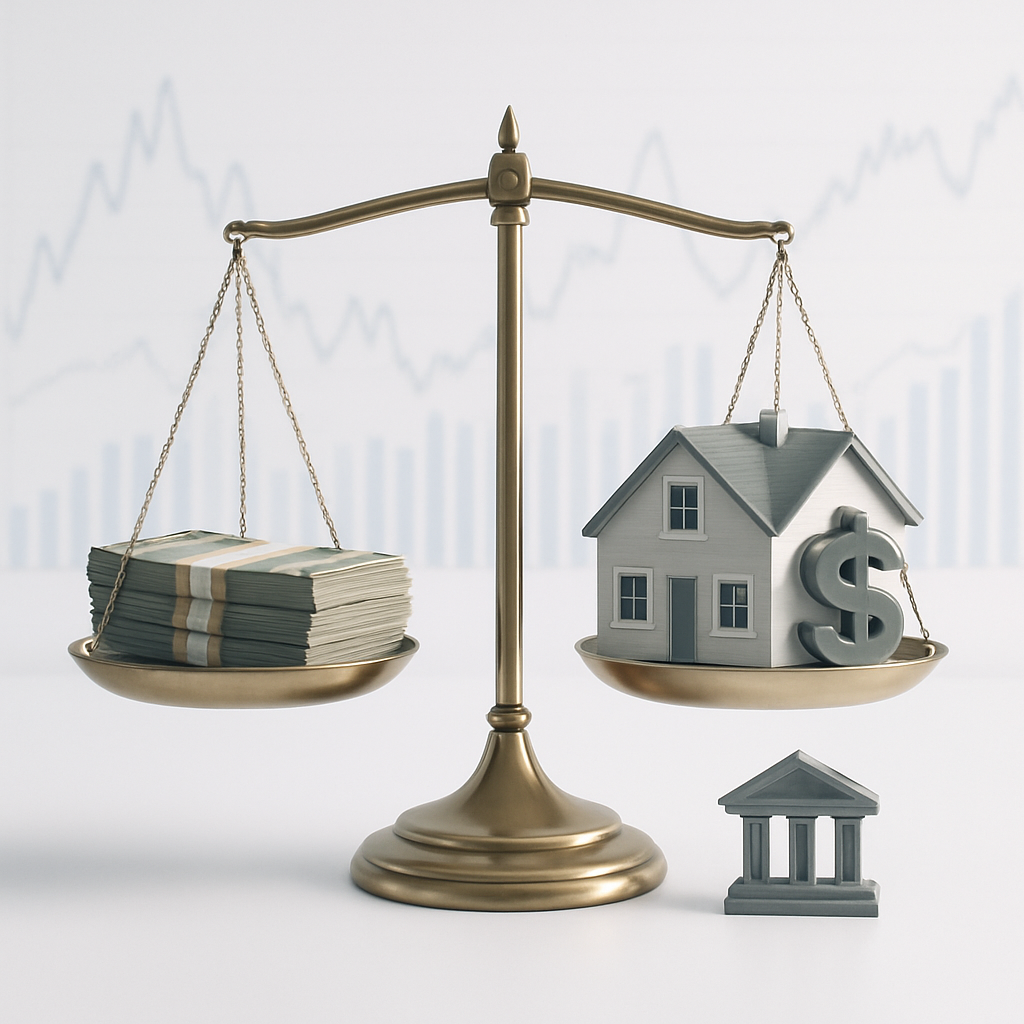
When it comes to buying property or other significant assets, one of the most crucial decisions buyers face is whether to pay with cash or to finance the purchase through a mortgage or loan. Both options have their advantages and disadvantages, and understanding these can help you make an informed decision tailored to your financial situation and long-term goals.
Cash Purchase: Pros and Cons
Pros of Paying Cash
1. Faster Transactions:
Cash deals typically close more quickly since there’s no need for loan approval, underwriting, or bank processes. This can be a significant advantage in competitive markets.
2. No Interest Payments:
Paying with cash means you avoid paying interest over the life of a loan, which can save you thousands or even hundreds of thousands of dollars.
3. Stronger Negotiating Power:
Cash buyers are often viewed as more serious and reliable, giving them leverage to negotiate better purchase prices or favorable terms.
4. No Monthly Payments or Debt:
Owning outright provides peace of mind, eliminates monthly mortgage obligations, and reduces overall debt burden.
5. Less Risk of Foreclosure:
Without a mortgage, you are not at risk of losing your property due to missed payments or financial hardship.
Cons of Paying Cash
1. Ties Up Liquidity:
Using cash for a property purchase depletes your liquid assets, potentially leaving you without enough cash for emergencies, investments, or other opportunities.
2. Missed Investment Opportunities:
The capital used for a cash purchase could potentially earn higher returns if invested elsewhere, especially if mortgage interest rates are low.
3. Limited Tax Deductions:
Cash buyers don’t benefit from mortgage interest deductions, which can provide tax savings for financed buyers.
4. Less Leverage:
Without financing, you miss out on the leverage that mortgage debt provides—amplifying your purchasing power.
Financing Your Purchase: Pros and Cons
Pros of Financing
1. Preserves Liquidity:
Financing allows you to keep cash reserves intact, giving you flexibility for other investments, savings, or unexpected expenses.
2. Leverage and Growth:
Using borrowed money can amplify your purchasing power, enabling you to buy more expensive properties or diversify your investments.
3. Tax Benefits:
Mortgage interest is often tax-deductible, which can reduce your overall tax liability, depending on your tax situation and current laws.
4. Building Credit:
Managing mortgage payments responsibly can improve your credit score and financial reputation.
5. Potential for Higher Returns:
If your investment earns a return higher than your mortgage rate, financing can increase your overall wealth.
Cons of Financing
1. Interest Costs:
Over the life of the loan, you will pay interest, which can significantly increase the total cost of your purchase.
2. Longer Closing Process:
Getting approved for a mortgage involves detailed paperwork, credit checks, appraisals, and underwriting, which can delay closing.
3. Monthly Payments and Debt:
Mortgage payments add a recurring financial obligation, which can strain cash flow and increase financial risk if income drops.
4. Foreclosure Risk:
Failure to meet mortgage payments can lead to foreclosure and loss of the property.
5. Market Vulnerability:
Rising interest rates or declines in property value can impact your investment’s stability.
Making the Right Choice
Choosing between paying cash or financing depends on your financial strength, investment goals, risk tolerance, and market conditions. Here are some questions to consider:
- Do you have sufficient cash reserves to pay outright without sacrificing your emergency fund?
- Are current mortgage rates low enough to make financing advantageous?
- Would leveraging your assets help diversify your investments?
- Is the property a short-term investment or a long-term hold?
- How comfortable are you with debt, and what are your risk management strategies?
Final Thoughts
Both cash and financing options offer distinct advantages and drawbacks. Paying cash provides simplicity and strength in negotiations, but it can limit liquidity. Financing offers leverage and preserves cash but comes with ongoing costs and obligations.
Consult with financial advisors, real estate professionals, and tax experts to determine the best approach for your individual situation. Whichever path you choose, making informed decisions will help you maximize your investment and achieve your financial goals.