Impact of Remote Work on Real Estate: How It Continues to Reshape Neighborhood Choices and Property Types
The rise of remote work has fundamentally transformed the way people live, work, and choose their homes. What began as a response to the pandemic has now become a lasting shift, influencing neighborhood preferences, property types, and the broader real estate market. Let’s explore how remote work continues to reshape real estate trends in 2025.
Changing Neighborhood Preferences
From Urban Cores to Suburban and Rural Areas
Before remote work, many professionals prioritized proximity to city centers for access to employment, amenities, and entertainment. Today, many are seeking larger homes in suburban or rural areas, where they can enjoy more space, privacy, and outdoor living. This shift has led to increased demand in previously overlooked neighborhoods, driving up prices and revitalizing local markets.
Desire for Better Quality of Life
With the flexibility to work from anywhere, buyers are prioritizing neighborhoods with better schools, safer communities, parks, and recreational areas. The focus has shifted from commute times to quality of life factors.
Evolving Property Types and Features
Larger Homes with Dedicated Office Spaces
Homebuyers now look for properties that can accommodate a dedicated workspace, whether it’s a separate room, a converted garage, or a quiet corner. Homes with flexible layouts and extra rooms are in high demand.
Increased Interest in Multi-Functional Spaces
Properties that can serve multiple purposes—such as a home gym, study area, or guest suite—are more attractive. Buyers value versatility and adaptability in their homes.
Outdoor and Entertaining Spaces
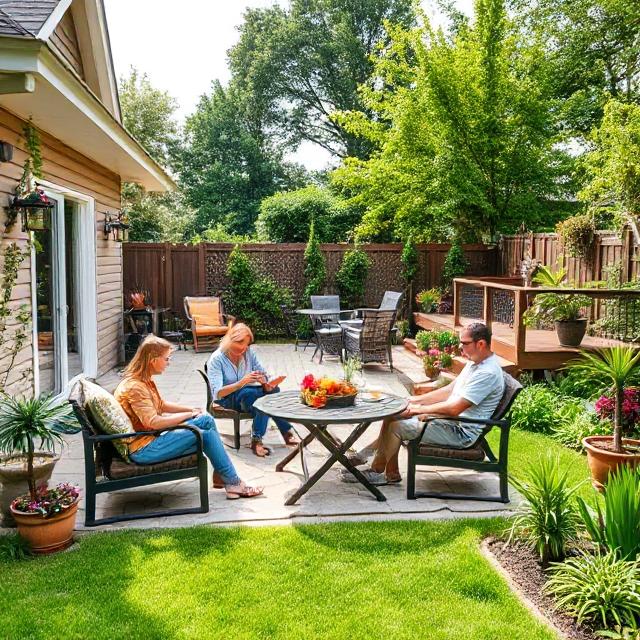
Patios, decks, gardens, and outdoor entertainment areas have become must-haves, reflecting the desire for a balanced indoor-outdoor lifestyle.
Broader Market Impacts
Shift in Commercial Real Estate
As fewer people commute daily, demand for traditional office spaces declines, prompting commercial landlords to repurpose or downsize their holdings.
Rise of Suburban and Exurban Markets
Emerging markets with affordable housing and good amenities are experiencing rapid growth, attracting remote workers seeking more space at a lower cost.
Long-Term Stability of Remote Work
Employers increasingly adopt hybrid or fully remote policies, solidifying these housing trends for years to come.
Remote work is here to stay, and its impact on real estate will continue to evolve. Buyers and investors should stay informed about these shifts to make strategic decisions, whether it’s choosing a new neighborhood, investing in versatile properties, or reimagining commercial spaces. As the landscape changes, flexibility and adaptability remain key in navigating the future of real estate.