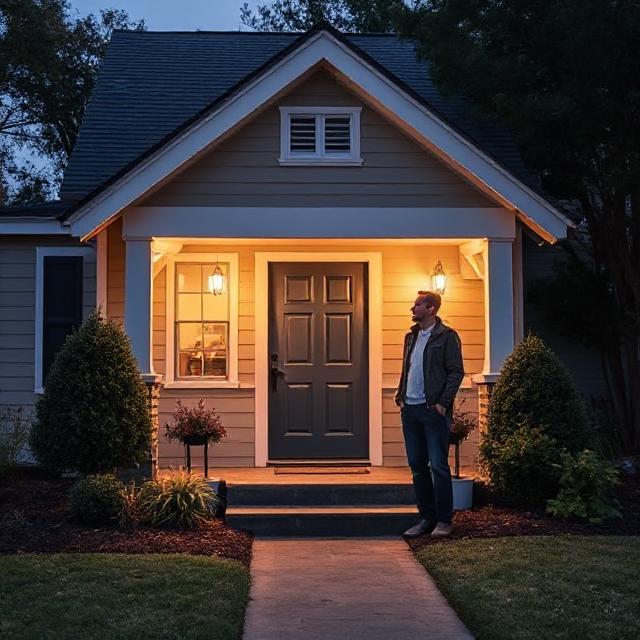
The Beginner’s Guide to Buying Your First Home
Buying your first home is an exciting milestone, but it can also feel overwhelming with so many steps involved. From understanding financing options to navigating inspections and negotiations, first-time homebuyers need clarity and guidance to make confident decisions. This guide will walk you through the essential steps and tips to help you successfully purchase your first home.
1. Assess Your Financial Readiness
Before beginning your home search, evaluate your financial situation:
- Credit Score: A higher credit score qualifies you for better mortgage rates. Check your score and work on improving it if needed.
- Budget: Determine how much you can afford for a down payment and monthly payments. Don’t forget to account for property taxes, insurance, and maintenance costs.
- Savings: Ensure you have enough savings for a down payment (typically 3-20%) and closing costs (about 2-5% of the home price).
2. Get Pre-Approved for a Mortgage
Getting pre-approved involves a lender reviewing your financial documents to determine how much they’re willing to lend. Pre-approval strengthens your position when making an offer and helps you understand your budget.
Tip: Shop around for the best mortgage rates and terms. Consider fixed-rate vs. adjustable-rate mortgages based on your plans.
3. Define Your Needs and Wants
Create a list of must-haves and nice-to-haves:
- Location preferences (neighborhood, school district, commute)
- Home size and layout
- Essential features (number of bedrooms, yard size, garage)
- Future growth or development plans in the area
This clarity helps streamline your search and focus on homes that fit your criteria.
4. Start House Hunting
Use online listings, real estate apps, and work with a qualified real estate agent to find suitable properties. Attend open houses and schedule private showings.
Tip: Be patient and flexible; the right home might not appear immediately.
5. Make an Offer
Once you find the right home, your agent will help you craft a competitive offer based on market conditions and comparable sales. Be prepared for negotiations and possible counteroffers.
Tip: Include contingencies, such as inspections and financing, to protect your interests.
6. Conduct Home Inspections and Appraisals
- Home Inspection: Reveals potential issues with the property’s condition. You can negotiate repairs or credits if needed.
- Appraisal: Ensures the home’s value supports the loan amount.
These steps protect you from overpaying and uncover hidden problems.
7. Finalize Financing and Close the Deal
Once inspections are satisfactory, your lender finalizes your mortgage. Review all closing documents thoroughly.
Closing Costs: Be prepared to pay fees, taxes, and insurance premiums at closing.
Closing Day: Sign paperwork, pay closing costs, and receive the keys to your new home!
8. Move-In and Enjoy Your New Home
Congratulations! You’re now a homeowner. Celebrate your achievement and start making your new house a home.
Final Tips for First-Time Buyers
- Stay Patient: The process can take several months; don’t rush.
- Keep Emotions in Check: Make decisions based on your budget and needs, not just how the home looks.
- Seek Professional Guidance: Work with experienced real estate agents and financial advisors.
- Plan for the Future: Consider your long-term plans and how the home fits into them.
Conclusion
Buying your first home is a major step toward financial stability and independence. With careful planning, research, and guidance, you can navigate the process confidently and find a property that suits your lifestyle and budget. Happy house hunting!